 By admin
Introduction to Titanium Disilicide: A Versatile Refractory Substance for Advanced Technologies
Titanium disilicide (TiSi two) has actually emerged as an important material in modern microelectronics, high-temperature architectural applications, and thermoelectric power conversion as a result of its special mix of physical, electric, and thermal residential properties. As a refractory steel silicide, TiSi two exhibits high melting temperature level (~ 1620 ° C), outstanding electric conductivity, and good oxidation resistance at elevated temperature levels. These characteristics make it a vital component in semiconductor gadget fabrication, particularly in the formation of low-resistance calls and interconnects. As technical demands push for much faster, smaller sized, and more effective systems, titanium disilicide continues to play a strategic duty across numerous high-performance industries.

(Titanium Disilicide Powder)
Architectural and Electronic Residences of Titanium Disilicide
Titanium disilicide crystallizes in two key stages– C49 and C54– with distinctive structural and digital actions that influence its efficiency in semiconductor applications. The high-temperature C54 phase is especially desirable as a result of its lower electric resistivity (~ 15– 20 μΩ · centimeters), making it optimal for use in silicided entrance electrodes and source/drain get in touches with in CMOS gadgets. Its compatibility with silicon processing methods permits smooth combination into existing manufacture flows. Additionally, TiSi two shows modest thermal expansion, lowering mechanical tension throughout thermal cycling in integrated circuits and boosting long-lasting integrity under functional conditions.
Role in Semiconductor Production and Integrated Circuit Design
Among one of the most considerable applications of titanium disilicide depends on the area of semiconductor manufacturing, where it serves as a key material for salicide (self-aligned silicide) procedures. In this context, TiSi ₂ is selectively based on polysilicon gateways and silicon substrates to minimize call resistance without jeopardizing device miniaturization. It plays a crucial function in sub-micron CMOS modern technology by allowing faster switching speeds and reduced power usage. Despite difficulties connected to phase change and load at high temperatures, continuous research study concentrates on alloying approaches and process optimization to boost stability and performance in next-generation nanoscale transistors.
High-Temperature Structural and Protective Finishing Applications
Beyond microelectronics, titanium disilicide demonstrates outstanding possibility in high-temperature environments, particularly as a protective layer for aerospace and industrial parts. Its high melting factor, oxidation resistance as much as 800– 1000 ° C, and moderate hardness make it ideal for thermal barrier finishes (TBCs) and wear-resistant layers in turbine blades, burning chambers, and exhaust systems. When combined with various other silicides or ceramics in composite materials, TiSi ₂ improves both thermal shock resistance and mechanical stability. These attributes are significantly useful in defense, space exploration, and advanced propulsion technologies where extreme performance is needed.
Thermoelectric and Energy Conversion Capabilities
Recent studies have highlighted titanium disilicide’s encouraging thermoelectric residential properties, positioning it as a prospect product for waste warmth recovery and solid-state power conversion. TiSi two shows a relatively high Seebeck coefficient and moderate thermal conductivity, which, when optimized with nanostructuring or doping, can enhance its thermoelectric performance (ZT value). This opens brand-new methods for its usage in power generation components, wearable electronic devices, and sensing unit networks where compact, sturdy, and self-powered remedies are required. Researchers are likewise exploring hybrid structures incorporating TiSi ₂ with various other silicides or carbon-based products to better boost power harvesting abilities.
Synthesis Techniques and Handling Difficulties
Producing premium titanium disilicide calls for specific control over synthesis parameters, including stoichiometry, stage pureness, and microstructural uniformity. Common techniques consist of direct response of titanium and silicon powders, sputtering, chemical vapor deposition (CVD), and responsive diffusion in thin-film systems. However, accomplishing phase-selective development remains an obstacle, particularly in thin-film applications where the metastable C49 phase tends to develop preferentially. Technologies in fast thermal annealing (RTA), laser-assisted handling, and atomic layer deposition (ALD) are being explored to conquer these restrictions and make it possible for scalable, reproducible manufacture of TiSi ₂-based elements.
Market Trends and Industrial Fostering Across Global Sectors
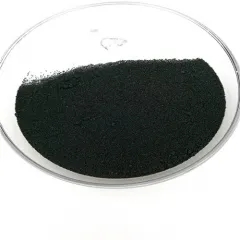
( Titanium Disilicide Powder)
The global market for titanium disilicide is increasing, driven by need from the semiconductor market, aerospace industry, and arising thermoelectric applications. The United States And Canada and Asia-Pacific lead in adoption, with major semiconductor manufacturers integrating TiSi ₂ into advanced logic and memory devices. On the other hand, the aerospace and protection sectors are buying silicide-based composites for high-temperature structural applications. Although alternate materials such as cobalt and nickel silicides are getting grip in some segments, titanium disilicide continues to be liked in high-reliability and high-temperature niches. Strategic partnerships in between product suppliers, factories, and academic establishments are accelerating product growth and industrial deployment.
Environmental Factors To Consider and Future Study Instructions
Regardless of its benefits, titanium disilicide encounters analysis relating to sustainability, recyclability, and environmental influence. While TiSi two itself is chemically secure and non-toxic, its manufacturing includes energy-intensive processes and unusual raw materials. Efforts are underway to create greener synthesis paths using recycled titanium sources and silicon-rich industrial results. Furthermore, researchers are exploring eco-friendly choices and encapsulation techniques to reduce lifecycle threats. Looking ahead, the integration of TiSi two with versatile substrates, photonic tools, and AI-driven materials design systems will likely redefine its application scope in future state-of-the-art systems.
The Road Ahead: Integration with Smart Electronic Devices and Next-Generation Gadget
As microelectronics continue to evolve toward heterogeneous assimilation, adaptable computing, and ingrained picking up, titanium disilicide is expected to adapt as necessary. Advancements in 3D packaging, wafer-level interconnects, and photonic-electronic co-integration may increase its usage beyond standard transistor applications. Furthermore, the merging of TiSi ₂ with artificial intelligence tools for predictive modeling and process optimization might speed up advancement cycles and lower R&D prices. With continued financial investment in product scientific research and process design, titanium disilicide will certainly remain a cornerstone product for high-performance electronics and sustainable energy technologies in the decades to come.
Distributor
RBOSCHCO is a trusted global chemical material supplier & manufacturer with over 12 years experience in providing super high-quality chemicals and Nanomaterials. The company export to many countries, such as USA, Canada, Europe, UAE, South Africa,Tanzania,Kenya,Egypt,Nigeria,Cameroon,Uganda,Turkey,Mexico,Azerbaijan,Belgium,Cyprus,Czech Republic, Brazil, Chile, Argentina, Dubai, Japan, Korea, Vietnam, Thailand, Malaysia, Indonesia, Australia,Germany, France, Italy, Portugal etc. As a leading nanotechnology development manufacturer, RBOSCHCO dominates the market. Our professional work team provides perfect solutions to help improve the efficiency of various industries, create value, and easily cope with various challenges. If you are looking for ti 64, please send an email to: sales1@rboschco.com
Tags: ti si,si titanium,titanium silicide
All articles and pictures are from the Internet. If there are any copyright issues, please contact us in time to delete.
Inquiry us