 By admin
1. Crystallography and Material Basics of Silicon Carbide
1.1 Polymorphism and Atomic Bonding in SiC
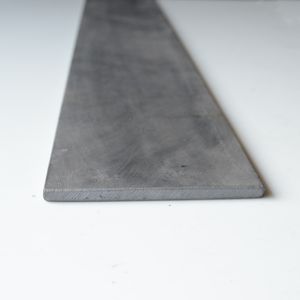
(Silicon Carbide Ceramic Plates)
Silicon carbide (SiC) is a covalent ceramic substance composed of silicon and carbon atoms in a 1:1 stoichiometric proportion, distinguished by its amazing polymorphism– over 250 well-known polytypes– all sharing solid directional covalent bonds but varying in piling series of Si-C bilayers.
One of the most technically pertinent polytypes are 3C-SiC (cubic zinc blende structure), and the hexagonal types 4H-SiC and 6H-SiC, each displaying subtle variations in bandgap, electron flexibility, and thermal conductivity that influence their suitability for certain applications.
The toughness of the Si– C bond, with a bond energy of approximately 318 kJ/mol, underpins SiC’s extraordinary solidity (Mohs solidity of 9– 9.5), high melting point (~ 2700 ° C), and resistance to chemical destruction and thermal shock.
In ceramic plates, the polytype is normally picked based on the planned usage: 6H-SiC prevails in structural applications due to its convenience of synthesis, while 4H-SiC controls in high-power electronic devices for its premium fee carrier movement.
The vast bandgap (2.9– 3.3 eV relying on polytype) also makes SiC a superb electric insulator in its pure form, though it can be doped to work as a semiconductor in specialized digital gadgets.
1.2 Microstructure and Stage Pureness in Ceramic Plates
The efficiency of silicon carbide ceramic plates is critically depending on microstructural features such as grain size, density, stage homogeneity, and the existence of additional stages or contaminations.
Top quality plates are generally fabricated from submicron or nanoscale SiC powders with sophisticated sintering techniques, causing fine-grained, totally thick microstructures that optimize mechanical strength and thermal conductivity.
Pollutants such as free carbon, silica (SiO ₂), or sintering help like boron or aluminum need to be thoroughly regulated, as they can develop intergranular films that reduce high-temperature toughness and oxidation resistance.
Residual porosity, even at low degrees (
Advanced Ceramics founded on October 17, 2012, is a high-tech enterprise committed to the research and development, production, processing, sales and technical services of ceramic relative materials such as Silicon Carbide Ceramic Plates. Our products includes but not limited to Boron Carbide Ceramic Products, Boron Nitride Ceramic Products, Silicon Carbide Ceramic Products, Silicon Nitride Ceramic Products, Zirconium Dioxide Ceramic Products, etc. If you are interested, please feel free to contact us.
Tags: silicon carbide plate,carbide plate,silicon carbide sheet
All articles and pictures are from the Internet. If there are any copyright issues, please contact us in time to delete.
Inquiry us