 By admin
Intro to Nano Silicon Dioxide: A Pivotal Nanomaterial for Advanced Technologies
Nano silicon dioxide (nano-SiO ₂), additionally called nanosilica, has actually become a foundation product in modern science and design because of its outstanding physicochemical properties. With bit sizes typically listed below 100 nanometers, nano-SiO two shows high surface, thermal security, mechanical stamina, and tunable reactivity. These qualities make it crucial throughout a broad range of markets– from electronic devices and medication to building and energy storage space. As nanotechnology continues to grow, nano-SiO ₂ is playing a significantly vital role in allowing next-generation materials and gadgets with enhanced performance and sustainability.
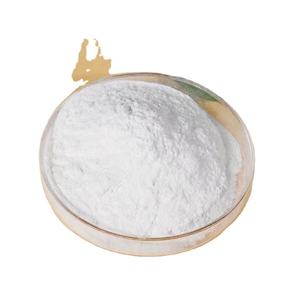
(Nano Silicon Dioxide)
Structural Characteristics and Synthesis Approaches
Nano silicon dioxide exists in different morphologies including spherical bits, mesoporous structures, and core-shell setups, each offering unique practical benefits. It is synthesized via techniques such as sol-gel handling, chemical vapor condensation, flame pyrolysis, and precipitation from silica forerunners like tetraethyl orthosilicate (TEOS). Surface area alteration methods– such as silanization– are often utilized to enhance dispersibility and compatibility with organic matrices. Specific control over bit size, porosity, and surface chemistry enables customized applications in finishings, composites, medication delivery systems, and digital components.
Functional Functions in Product Support and Composite Design
Among the most impactful uses of nano-SiO ₂ lies in composite products, where it works as a strengthening representative to boost mechanical stamina, firmness, and abrasion resistance. When included into polymers, porcelains, or steels, nano-SiO ₂ boosts tons transfer in between phases, minimizes crack proliferation, and boosts wear resistance. In epoxy materials and rubber substances, it enhances tensile stamina and thermal stability. In addition, nano-SiO two is used in self-cleaning surfaces and anti-fouling layers as a result of its hydrophilic nature and photocatalytic activity under UV exposure. These capacities are driving advancement in aerospace, automobile, and marine sectors.
Applications in Electronic Devices and Semiconductor Modern Technology
In the electronics industry, nano silicon dioxide plays a twin duty as both a structural and functional material. It serves as a gate dielectric in thin-film transistors and as a passivation layer in semiconductor tools as a result of its outstanding shielding buildings and compatibility with silicon substratums. In microelectromechanical systems (MEMS) and nanoelectronics, nano-SiO two is utilized in insulation layers, interconnects, and sensor elements. Moreover, its capacity to be formed at the nanoscale sustains developments in photonic crystals, quantum dots, and integrated optical circuits. These applications emphasize its value in miniaturized, high-performance digital systems.
Payments to Biomedical and Pharmaceutical Innovations
Nano-SiO ₂ has discovered substantial application in biomedicine, specifically in medication distribution, diagnostics, and imaging. Its high surface area permits effective loading of healing representatives, while surface functionalization makes it possible for targeted release devices. Mesoporous silica nanoparticles (MSNs), a subclass of nano-SiO two, are widely studied for controlled drug delivery and genetics treatment because of their consistent pore frameworks and biocompatibility. In addition, nano-SiO ₂ is used in biosensors, oral composites, and antimicrobial coverings. Ongoing research focuses on enhancing biodegradability and minimizing lasting poisoning to guarantee secure medical deployment.
Function in Sustainable Energy and Environmental Technologies

( Nano Silicon Dioxide)
The power and ecological sectors are leveraging nano-SiO two for improved battery efficiency, solar battery performance, and contamination mitigation. In lithium-ion batteries, nano-SiO two is utilized as a binder and conductive additive to support silicon-based anodes, which experience quantity expansion during biking. It additionally boosts electrolyte stability and charge-discharge effectiveness. In photovoltaics, nano-SiO ₂ acts as an antireflective coating and encapsulation product to protect solar cells from wetness and deterioration. Furthermore, it is used in catalysis and purification membranes for CO ₂ capture, water filtration, and air quality renovation, straightening with worldwide sustainability objectives.
Market Trends and Industrial Adoption Characteristics
The international market for nano silicon dioxide is experiencing durable development, driven by enhancing need from electronic devices, medical care, and progressed production markets. Key players are investing heavily in scalable production innovations and surface-engineered variations to satisfy application-specific needs. Asia-Pacific leads in production capacity, complied with very closely by The United States and Canada and Europe. Nonetheless, difficulties remain pertaining to cost-effectiveness, governing conformity, and reproducibility of material residential or commercial properties. Strategic cooperations in between academic community, sector, and federal government companies are accelerating standardization efforts and industrial fostering.
Challenges and Toxicity Factors To Consider
In spite of its extensive usage, nano-SiO two offers specific wellness and ecological problems that need mindful analysis. Breathing of great particulates may pose respiratory system threats, requiring strict taking care of methods and job-related safety measures. Long-term biocompatibility studies are recurring, specifically for biomedical applications. From a commercial perspective, heap issues and diffusion security in complex matrices can influence efficiency consistency. Dealing with these difficulties includes enhancing bit morphology, creating safer-by-design techniques, and executing lifecycle evaluations to ensure liable use across industries.
Future Outlook: Integration with AI, Quantum, and Smart Systems
Looking ahead, nano silicon dioxide is poised to play an essential role in emerging technological frontiers. Advances in fabricated intelligence-driven products exploration will certainly speed up the layout of nano-SiO two-based compounds with maximized properties. Assimilation with quantum computing architectures– where SiO two functions as an ultra-pure dielectric– is opening up brand-new paths in qubit stablizing. Additionally, smart materials including receptive nano-SiO two layers are being created for adaptive optics, self-healing finishes, and real-time structural surveillance systems. As nanotechnology merges with electronic and sustainable growth objectives, nano-SiO ₂ will certainly stay a vital enabler of modern advancement.
TRUNNANO is a supplier of Nano Silicon Dioxide with over 12 years of experience in nano-building energy conservation and nanotechnology development. It accepts payment via Credit Card, T/T, West Union and Paypal. Trunnano will ship the goods to customers overseas through FedEx, DHL, by air, or by sea. If you want to know more about Nano Silicon Dioxide, please feel free to contact us and send an inquiry(sales5@nanotrun.com).
Tags:silicon dioxide nanopowder,nano silicon dioxide,sio2 gel
All articles and pictures are from the Internet. If there are any copyright issues, please contact us in time to delete.
Inquiry us