 By admin
Intro to Polypropylene Fiber: A Game-Changer in Cementitious Composites
Polypropylene fiber has emerged as a transformative additive in concrete innovation, supplying superior crack control, impact resistance, and longevity without compromising workability or cost-efficiency. As building and construction needs change toward sustainability, strength, and performance optimization, polypropylene fibers– synthetic, polymer-based filaments– are being increasingly incorporated into cementitious systems to boost mechanical residential properties at both the mini and macro levels. Their extensive fostering shows a broader market fad towards sophisticated composite products that boost structural long life while reducing maintenance and lifecycle costs.
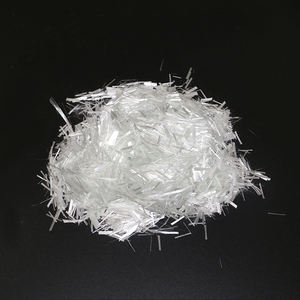
(Polypropylene (PP) Fibers)
Composition and Physical Characteristics
Polypropylene fiber is originated from polycarbonate polyolefin polymers, understood for their high chemical resistance, reduced thickness (0.91 g/cm THREE), and hydrophobic nature. These fibers typically vary from 6 mm to 50 mm in size and 10– 50 microns in size, with surface area textures crafted to improve bonding within the concrete matrix. Unlike steel fibers, polypropylene fibers do not wear away, making them perfect for atmospheres revealed to wetness, chlorides, or aggressive chemicals. Their melting point (~ 160 ° C) and relatively reduced modulus of flexibility allow for thermal stability and adaptability in dynamic filling problems. These characteristics make them particularly efficient in managing plastic contraction fracturing during the onset of concrete solidifying.
Devices of Split Control and Resilience Enhancement
When uniformly dispersed throughout the concrete mix, polypropylene fibers work as micro-reinforcement representatives by linking microcracks that create during hydration and early-age shrinkage. This system significantly lowers the size and proliferation of cracks, enhancing the material’s tensile stamina and power absorption capability. In addition, the presence of fibers restrains the ingress of water, chlorides, and sulfates, therefore boosting resistance to freeze-thaw cycles, deterioration, and chemical assault. In fireproof applications, polypropylene fibers play an important role by producing microchannels during high-temperature exposure, allowing vapor pressure to run away and minimizing explosive spalling in architectural concrete aspects.
Applications Throughout Civil Design and Infrastructure Projects
Polypropylene fiber-reinforced concrete (PFRC) is currently widely used throughout varied building markets. In tunnel cellular linings and underground frameworks, it enhances fire resistance and sturdiness under cyclic loading. In industrial floor covering and pavements, PFRC enhances abrasion resistance and load-bearing capacity while minimizing the need for traditional mesh support. Marine and coastal framework benefit from its deterioration resistance in saline environments. Moreover, polypropylene fibers are indispensable to shotcrete applications in incline stabilization and mining as a result of their capacity to boost cohesion and lower rebound. Their compatibility with automated pumping and splashing systems better sustains efficiency in large-scale procedures.
Comparative Advantages Over Typical Support Approaches
Compared to conventional steel reinforcement or synthetic choices like glass or carbon fibers, polypropylene fibers offer distinct advantages. They are lightweight, non-corrosive, and chemically inert, eliminating worries associated with rust discoloration or destruction with time. Their ease of mixing and dispersion ensures regular performance without needing customized devices or labor-intensive positioning strategies. From an economic standpoint, polypropylene fibers offer cost-effective reinforcement solutions that reduced material use, reduce upkeep frequency, and prolong life span. In addition, their environmental neutrality and recyclability align with eco-friendly structure criteria and round economic situation principles.
Innovations Driving Next-Generation Polypropylene Fiber Technologies
Ongoing r & d efforts are pushing the boundaries of polypropylene fiber performance. Surface alteration strategies– including plasma therapy, implanting, and nano-coating– are being checked out to improve interfacial bonding between the fiber and cement matrix. Crossbreed formulas integrating nano-silica or bio-based polymers intend to improve mechanical performance and sustainability. Functionalized fibers with antimicrobial or self-healing buildings are likewise under growth to resolve microbial-induced destruction and autogenous crack repair in concrete structures. At the same time, wise polypropylene fibers embedded with picking up capacities are being checked for real-time structural wellness surveillance, signaling a brand-new period of smart construction materials.
Environmental Effect and Sustainability Considerations
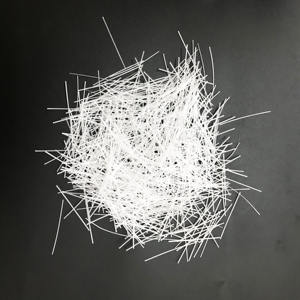
( Polypropylene (PP) Fibers)
While polypropylene is stemmed from petroleum-based feedstocks, innovations in polymer chemistry and reusing technologies are mitigating its environmental impact. Some makers are introducing bio-based polypropylene variations sourced from eco-friendly feedstocks, decreasing dependence on fossil fuels. Recyclable fiber-reinforced concrete composites are also acquiring traction, especially in demolition and remodelling projects where recovered products can be reintegrated into brand-new blends. Life-cycle assessments indicate that the long-term toughness benefits of polypropylene fiber exceed first production emissions, placing it as a net-positive contributor to sustainable building and construction when utilized sensibly and effectively.
Market Fads and Worldwide Market Development
The international market for polypropylene fiber in building and construction is experiencing steady growth, driven by increasing demand for sturdy, low-maintenance facilities throughout Asia-Pacific, North America, and Europe. Federal governments and personal developers are increasingly embracing fiber-reinforced concrete in transportation networks, urban water drainage systems, and disaster-resilient housing. Technological collaborations between polymer manufacturers and building firms are accelerating item technology and application-specific customization. Digital tools such as AI-driven dosage optimization and BIM-integrated design are additional improving the precision and performance of polypropylene fiber applications. As regulatory structures highlight carbon reduction and resource effectiveness, polypropylene fiber is poised to become a standard component in next-generation concrete specs.
Future Overview: Combination with Smart and Green Building Systems
Looking in advance, polypropylene fiber is readied to evolve along with arising fads in wise framework and lasting building. Assimilation with Web of Points (IoT)-allowed tracking systems will allow real-time responses on structural integrity and fiber performance. Advancements in eco-friendly polymers might cause totally decomposable fiber versions ideal for temporary structures or ecologically sensitive sites. The convergence of polypropylene fiber innovation with 3D printing, modular building, and AI-assisted product modeling will certainly open new layout opportunities and performance standards. As the constructed setting encounters enhancing environment and functional obstacles, polypropylene fiber sticks out as a flexible, durable, and forward-looking service for enhancing the structures of contemporary world.
Distributor
Cabr-Concrete is a supplier of Concrete Admixture under TRUNNANO with over 12 years of experience in nano-building energy conservation and nanotechnology development. It accepts payment via Credit Card, T/T, West Union and Paypal. TRUNNANO will ship the goods to customers overseas through FedEx, DHL, by air, or by sea. If you are looking for high quality plaster fibers, please feel free to contact us and send an inquiry(sales5@nanotrun.com).
Tags: polypropylene fiber, pp fibre, polypropylene fibers for concrete
All articles and pictures are from the Internet. If there are any copyright issues, please contact us in time to delete.
Inquiry us