 By admin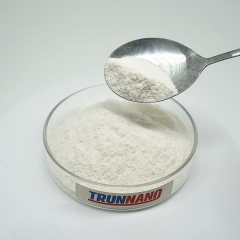
Intro to PCE Powder: The 3rd Generation of Superplasticizers Reshaping Modern Concrete
Polycarboxylate ether (PCE) powder has emerged as a transformative water reducing agent in the concrete industry, using exceptional efficiency over conventional lignosulfonates and sulfonated melamine formaldehyde (SMF)-based admixtures. As a third-generation superplasticizer, PCE makes it possible for remarkable decreases in water-to-cement ratios while keeping superb workability, bring about stronger, extra sturdy, and lasting concrete structures. Its molecular adaptability, reduced dosage needs, and compatibility with numerous cementitious products have made it indispensable in high-performance construction applications ranging from infrastructure to building style.
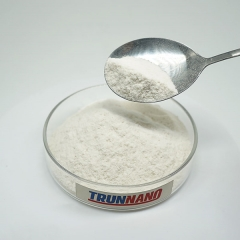
(TRUNNANO PCE Powder)
Molecular Style and Useful Device of PCE Powder
The efficiency of PCE powder comes from its unique comb-like polymer framework, containing a main chain with implanted side chains that give steric limitation and electrostatic repulsion in between cement particles. This dual mechanism avoids flocculation, improves dispersion, and boosts flowability without boosting water content. Unlike earlier generations of plasticizers, PCE formulations can be exactly tailored at the molecular degree to regulate adsorption kinetics, downturn retention, and hydration actions. This tunability enables customized efficiency in different environmental and application conditions, making PCE one of the most flexible and reliable water minimizing agents offered today.
Advantages Over Conventional Water Reducers
PCE powder offers numerous distinct advantages over initial- and second-generation water reducers. It attains significantly higher water reduction prices– usually going beyond 30%– enabling the production of ultra-high-performance concrete (UHPC) with compressive staminas over 150 MPa. In addition, PCE shows very little depression loss with time, allowing for expanded workability durations throughout transportation and placement. It also demonstrates excellent compatibility with supplemental cementitious materials (SCMs) such as fly ash, slag, and silica fume, which are critical for reducing the carbon impact of modern concrete. Additionally, PCE-based admixtures are commonly devoid of chloride and sulfate contaminants, improving lasting resilience and architectural honesty.
Industrial Applications Driving Market Development
The demand for PCE powder is surging across numerous fields due to its capability to satisfy strict performance and sustainability criteria. In precast concrete manufacturing, PCE makes it possible for much faster mold launch, improved surface area finish, and lowered energy intake during curing. In infrastructure tasks like bridges, passages, and marine structures, PCE-enhanced concretes use boosted resistance to hostile atmospheres and mechanical stress. Environment-friendly structure campaigns additionally take advantage of PCE’s function in enabling low-carbon concrete blends by taking full advantage of SCM application. With urbanization and climate resilience becoming worldwide concerns, PCE powder is significantly considered as a cornerstone innovation for future-ready construction techniques.
Production Techniques and Technological Innovations
PCE powder is manufactured through regulated extreme polymerization strategies such as MPEG-initiated graft copolymerization, where methacrylic acid (MAA) or acrylic acid (AA) monomers are polymerized with polyethylene glycol (PEG) side chains. Recent developments in polymer chemistry have actually brought about the development of multi-functional PCE versions that incorporate retardation, air entrainment, and viscosity-modifying buildings into a solitary admixture system. Spray-drying modern technologies have actually additionally enhanced the security and handling of PCE powders, promoting their usage in dry-mix applications and automated batching systems. These developments continue to enhance both the performance and adaptability of PCE in modern-day concrete technology.
Environmental Influence and Sustainability Considerations
As ecological regulations tighten around the world, the sustainability account of PCE powder is coming under raised examination. While PCE itself does not contain unsafe VOCs or hefty steels, its production involves petrochemical feedstocks and energy-intensive procedures. Scientists are actively checking out bio-based monomers and sustainable raw materials to establish greener PCE alternatives. In addition, life cycle evaluations (LCAs) are being used to examine the general carbon footprint of PCE-containing concrete systems. Initiatives to boost recyclability, lower waste during manufacturing, and integrate round economic climate principles are shaping the following stage of PCE growth, straightening it much more closely with worldwide sustainability objectives.
Challenges and Future Advancement Pathways
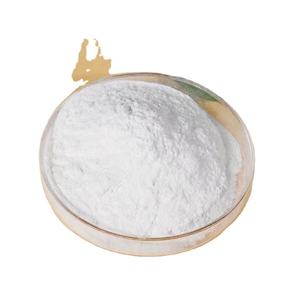
( TRUNNANO PCE Powder)
Regardless of its lots of advantages, PCE powder faces a number of obstacles including expense competitiveness, sensitivity to seal chemistry, and irregularity in field performance. Concerns such as overdosing effects, delayed setting, and incompatibility with certain mineral admixtures can complicate its use in complicated mix layouts. To attend to these issues, recurring research focuses on creating flexible PCE formulas that respond dynamically to changes in cement structure and ambient conditions. Smart admixture systems integrating sensing units and real-time comments mechanisms are also being discovered to optimize performance in large-scale building and construction settings. These developments will certainly be key to unlocking the complete capacity of PCE in next-generation concrete innovations.
Conclusion: PCE Powder as a Driver for the Future of Concrete
Polycarboxylate ether (PCE) powder represents a significant jump onward in concrete admixture modern technology, incorporating high efficiency with environmental duty. As construction demands evolve towards better toughness, durability, and sustainability, PCE continues to allow ingenious services across a large range of applications. With proceeded developments in formula science, manufacturing effectiveness, and combination with smart construction systems, PCE powder is positioned to continue to be at the forefront of the concrete revolution– forming the constructed setting of tomorrow with smarter, cleaner, and more durable products.
Supplier
TRUNNANO is a supplier of Concrete PCE Powder with over 12 years experience in nano-building energy conservation and nanotechnology development. It accepts payment via Credit Card, T/T, West Union and Paypal. Trunnano will ship the goods to customers overseas through FedEx, DHL, by air, or by sea. If you want to know more about , please feel free to contact us and send an inquiry.
Tags: concrete water ,reducer pce powder, polycarboxylate
All articles and pictures are from the Internet. If there are any copyright issues, please contact us in time to delete.
Inquiry us