 By admin
Introduction to Oxides: Building Blocks of Nature and Development
Oxides– compounds formed by the reaction of oxygen with various other aspects– represent among one of the most diverse and vital classes of materials in both natural systems and engineered applications. Found generously in the Earth’s crust, oxides function as the structure for minerals, porcelains, steels, and advanced electronic components. Their properties vary commonly, from insulating to superconducting, magnetic to catalytic, making them crucial in fields varying from energy storage space to aerospace engineering. As material science presses borders, oxides are at the forefront of innovation, enabling modern technologies that define our modern world.
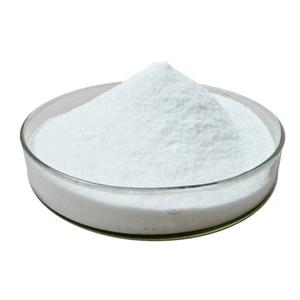
(Oxides)
Architectural Variety and Useful Features of Oxides
Oxides exhibit a remarkable series of crystal frameworks, consisting of easy binary kinds like alumina (Al ₂ O FOUR) and silica (SiO ₂), complex perovskites such as barium titanate (BaTiO TWO), and spinel structures like magnesium aluminate (MgAl two O FOUR). These structural variants trigger a wide range of practical habits, from high thermal security and mechanical firmness to ferroelectricity, piezoelectricity, and ionic conductivity. Understanding and tailoring oxide structures at the atomic degree has come to be a foundation of materials engineering, unlocking new capacities in electronic devices, photonics, and quantum gadgets.
Oxides in Power Technologies: Storage, Conversion, and Sustainability
In the worldwide change towards clean power, oxides play a central function in battery innovation, gas cells, photovoltaics, and hydrogen manufacturing. Lithium-ion batteries depend on split shift metal oxides like LiCoO ₂ and LiNiO ₂ for their high energy density and relatively easy to fix intercalation actions. Strong oxide gas cells (SOFCs) utilize yttria-stabilized zirconia (YSZ) as an oxygen ion conductor to make it possible for efficient power conversion without burning. Meanwhile, oxide-based photocatalysts such as TiO ₂ and BiVO ₄ are being optimized for solar-driven water splitting, providing an appealing path towards sustainable hydrogen economic climates.
Digital and Optical Applications of Oxide Materials
Oxides have actually reinvented the electronic devices sector by enabling clear conductors, dielectrics, and semiconductors vital for next-generation devices. Indium tin oxide (ITO) remains the criterion for transparent electrodes in displays and touchscreens, while arising alternatives like aluminum-doped zinc oxide (AZO) aim to lower dependence on limited indium. Ferroelectric oxides like lead zirconate titanate (PZT) power actuators and memory gadgets, while oxide-based thin-film transistors are driving versatile and clear electronics. In optics, nonlinear optical oxides are crucial to laser regularity conversion, imaging, and quantum communication modern technologies.
Role of Oxides in Structural and Protective Coatings
Past electronics and energy, oxides are essential in architectural and protective applications where extreme conditions demand remarkable performance. Alumina and zirconia finishings give wear resistance and thermal barrier defense in turbine blades, engine elements, and reducing tools. Silicon dioxide and boron oxide glasses create the backbone of optical fiber and show modern technologies. In biomedical implants, titanium dioxide layers improve biocompatibility and rust resistance. These applications highlight exactly how oxides not only secure products but likewise extend their functional life in several of the harshest atmospheres recognized to design.
Environmental Remediation and Eco-friendly Chemistry Using Oxides
Oxides are increasingly leveraged in environmental management with catalysis, pollutant removal, and carbon capture technologies. Metal oxides like MnO TWO, Fe ₂ O SIX, and chief executive officer ₂ work as drivers in breaking down volatile organic substances (VOCs) and nitrogen oxides (NOₓ) in industrial emissions. Zeolitic and mesoporous oxide frameworks are discovered for CO ₂ adsorption and separation, supporting efforts to alleviate environment change. In water therapy, nanostructured TiO two and ZnO provide photocatalytic destruction of pollutants, pesticides, and pharmaceutical deposits, showing the possibility of oxides beforehand lasting chemistry methods.
Obstacles in Synthesis, Stability, and Scalability of Advanced Oxides
( Oxides)
Despite their versatility, establishing high-performance oxide products provides considerable technical difficulties. Specific control over stoichiometry, stage purity, and microstructure is critical, specifically for nanoscale or epitaxial movies made use of in microelectronics. Many oxides experience poor thermal shock resistance, brittleness, or minimal electric conductivity unless drugged or engineered at the atomic level. Additionally, scaling lab developments into industrial procedures usually requires getting rid of price obstacles and guaranteeing compatibility with existing production facilities. Attending to these problems needs interdisciplinary partnership across chemistry, physics, and design.
Market Trends and Industrial Demand for Oxide-Based Technologies
The worldwide market for oxide products is expanding swiftly, fueled by development in electronics, renewable energy, defense, and health care fields. Asia-Pacific leads in intake, especially in China, Japan, and South Korea, where need for semiconductors, flat-panel screens, and electric vehicles drives oxide advancement. The United States And Canada and Europe keep strong R&D financial investments in oxide-based quantum materials, solid-state batteries, and eco-friendly modern technologies. Strategic partnerships between academia, startups, and international firms are increasing the commercialization of unique oxide solutions, improving industries and supply chains worldwide.
Future Prospects: Oxides in Quantum Computer, AI Equipment, and Beyond
Looking ahead, oxides are poised to be foundational materials in the following wave of technical transformations. Arising research into oxide heterostructures and two-dimensional oxide interfaces is disclosing exotic quantum sensations such as topological insulation and superconductivity at room temperature level. These explorations can redefine calculating architectures and enable ultra-efficient AI equipment. Additionally, advancements in oxide-based memristors might pave the way for neuromorphic computing systems that mimic the human brain. As researchers continue to open the hidden potential of oxides, they stand all set to power the future of smart, lasting, and high-performance technologies.
Distributor
RBOSCHCO is a trusted global chemical material supplier & manufacturer with over 12 years experience in providing super high-quality chemicals and Nanomaterials. The company export to many countries, such as USA, Canada, Europe, UAE, South Africa,Tanzania,Kenya,Egypt,Nigeria,Cameroon,Uganda,Turkey,Mexico,Azerbaijan,Belgium,Cyprus,Czech Republic, Brazil, Chile, Argentina, Dubai, Japan, Korea, Vietnam, Thailand, Malaysia, Indonesia, Australia,Germany, France, Italy, Portugal etc. As a leading nanotechnology development manufacturer, RBOSCHCO dominates the market. Our professional work team provides perfect solutions to help improve the efficiency of various industries, create value, and easily cope with various challenges. If you are looking for mno2 ion, please send an email to: sales1@rboschco.com
Tags: magnesium oxide, zinc oxide, copper oxide
All articles and pictures are from the Internet. If there are any copyright issues, please contact us in time to delete.
Inquiry us