 By admin
Intro to Concrete Foaming Representatives
Concrete lathering agents are chemical admixtures made use of to produce stable, consistent air voids within concrete mixes, resulting in light-weight mobile concrete with enhanced thermal insulation, minimized thickness, and boosted workability. These representatives operate by decreasing the surface stress of blending water, enabling air to be entrained and supported in the form of distinct bubbles throughout the cementitious matrix. The high quality and performance of foamed concrete– such as its compressive strength, thermal conductivity, and longevity– are heavily influenced by the type, dose, and compatibility of the lathering agent made use of. This short article discovers the devices behind lathering agents, their classification, and exactly how they contribute to enhancing the homes of lightweight concrete for modern-day construction applications.
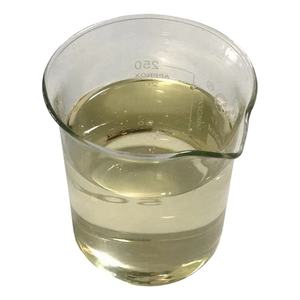
(CLC Foaming Agent)
Category and Mechanism of Concrete Foaming Representatives
Concrete foaming representatives can be extensively categorized right into 2 main categories: anionic and cationic surfactants, with some non-ionic or amphoteric kinds additionally being employed relying on specific formulation requirements. Anionic foaming representatives, such as alkyl sulfates and protein-based hydrolysates, are extensively made use of due to their outstanding foam stability and compatibility with cement chemistry. Cationic agents, although less usual, offer unique advantages in specialized solutions where electrostatic interactions require to be managed.
The mechanism of activity involves the adsorption of surfactant molecules at the air-water user interface, reducing surface tension and enabling the development of penalty, steady bubbles during mechanical anxiety. A premium frothing agent should not only generate a huge volume of foam yet likewise keep bubble stability with time to avoid collapse prior to cement hydration is total. This needs a balance in between lathering ability, drainage resistance, and bubble coalescence control. Advanced formulations frequently include stabilizers such as thickness modifiers or polymers to improve bubble perseverance and boost the rheological habits of the fresh mix.
Influence of Foaming Agents on Lightweight Concrete Residence
The introduction of air voids via lathering representatives significantly changes the physical and mechanical qualities of lightweight concrete. By replacing strong mass with air, these spaces decrease total density, which is particularly valuable in applications requiring thermal insulation, sound absorption, and architectural weight decrease. As an example, foamed concrete with thickness ranging from 300 to 1600 kg/m ³ can accomplish compressive staminas in between 0.5 MPa and 15 MPa, depending on foam web content, cement kind, and healing problems.
Thermal conductivity decreases proportionally with boosting porosity, making foamed concrete an appealing alternative for energy-efficient structure envelopes. In addition, the existence of consistently dispersed air bubbles improves freeze-thaw resistance by functioning as stress relief chambers during ice development. However, too much lathering can lead to weak interfacial transition zones and bad bond advancement between concrete paste and accumulations, possibly endangering long-lasting toughness. Therefore, accurate dosing and foam quality assurance are vital to achieving optimum performance.
Optimization Methods for Boosted Performance
To take full advantage of the advantages of foaming agents in lightweight concrete, a number of optimization approaches can be employed. First, picking the proper foaming representative based on raw materials and application needs is vital. Protein-based representatives, for instance, are chosen for high-strength applications because of their premium foam security and compatibility with Portland concrete. Artificial surfactants might be better for ultra-lightweight systems where lower prices and convenience of handling are top priorities.
Second, integrating auxiliary cementitious products (SCMs) such as fly ash, slag, or silica fume can enhance both early and long-term mechanical homes. These products improve pore structure, decrease leaks in the structure, and boost hydration kinetics, thereby compensating for stamina losses brought on by boosted porosity. Third, progressed mixing innovations– such as pre-foaming and in-situ frothing approaches– can be utilized to guarantee much better distribution and stablizing of air bubbles within the matrix.
Furthermore, using viscosity-modifying admixtures (VMAs) aids protect against foam collapse and segregation throughout spreading and debt consolidation. Ultimately, controlled treating problems, consisting of temperature and moisture policy, play an important role in making sure proper hydration and microstructure advancement, especially in low-density foamed concrete systems.
Applications of Foamed Concrete in Modern Construction
Foamed concrete has actually gained extensive approval across various construction fields due to its multifunctional properties. In building construction, it is thoroughly made use of for floor screeds, roof insulation, and wall panels, providing both structural and thermal advantages. Its self-leveling nature decreases labor prices and improves surface finish. In facilities projects, lathered concrete acts as a light-weight fill material for embankments, bridge abutments, and passage backfilling, efficiently reducing earth stress and negotiation threats.
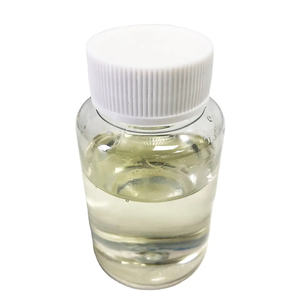
( CLC Foaming Agent)
In green building layout, lathered concrete adds to sustainability objectives by decreasing personified carbon via the unification of industrial spin-offs like fly ash and slag. Moreover, its fireproof residential or commercial properties make it appropriate for easy fire security systems. In the prefabricated building industry, foamed concrete is progressively utilized in sandwich panels and modular real estate devices as a result of its ease of manufacture and rapid implementation abilities. As demand for energy-efficient and lightweight building products expands, frothed concrete strengthened with maximized frothing representatives will continue to play a crucial duty fit the future of sustainable design and civil design.
Final thought
Concrete lathering representatives contribute in enhancing the efficiency of lightweight concrete by enabling the production of steady, uniform air space systems that enhance thermal insulation, reduce density, and boost workability. Via mindful option, solution, and combination with advanced materials and methods, the properties of foamed concrete can be customized to meet diverse building needs. As study remains to evolve, innovations in foaming modern technology pledge to more broaden the range and efficiency of lightweight concrete in contemporary building methods.
Vendor
Cabr-Concrete is a supplier of Concrete Admixture with over 12 years of experience in nano-building energy conservation and nanotechnology development. It accepts payment via Credit Card, T/T, West Union and Paypal. TRUNNANO will ship the goods to customers overseas through FedEx, DHL, by air, or by sea. If you are looking for high quality Concrete Admixture, please feel free to contact us and send an inquiry.
Tags: foaming agent, foamed concrete, concrete admixture
All articles and pictures are from the Internet. If there are any copyright issues, please contact us in time to delete.
Inquiry us